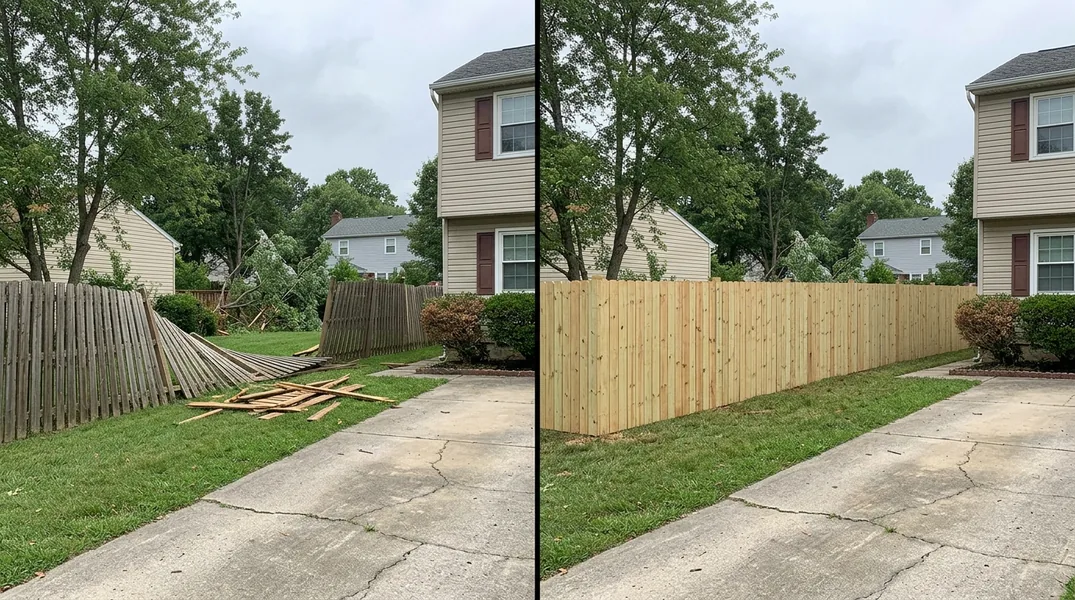
Understanding Fence Property Line Laws in Suburban Subdivisions
When you own a home in a suburban subdivision like Columbia, Bowie, or Silver Spring, one of the most common questions that arise is about the fence on your property line. Many homeowners assume their neighbor shares responsibility for maintenance and costs, but the reality is more nuanced and often depends on local ordinances and property deeds.
The concept of a fence on property line ownership varies significantly by jurisdiction. In some areas, the fence belongs entirely to one property owner, while in others, it may be considered a shared boundary feature. Before you invest in Wood & Privacy Fence Installation, it's crucial to understand the specific regulations in your subdivision and county. Many suburban communities in the Baltimore area have established covenants and restrictions that address fence placement and responsibility.
Your property deed and homeowners association (HOA) documents are your first stop for clarity. These legal documents often specify whether a fence sits directly on the property line and who bears the financial and maintenance obligations. If your subdivision doesn't have clear documentation, checking with your county assessor's office or a local surveyor can help establish the exact boundary and any easements that might affect fence placement.
Who Pays for Fence Between Neighbors: The Legal Reality
The question of who pays for fence between neighbors is one of the most disputed issues in residential property management. In most U.S. jurisdictions, including those around Baltimore, the general rule is that a property owner is responsible for maintaining the fence on their own side of the property line. However, if a fence was originally built as a shared boundary, both neighbors may have legal obligations to contribute to its repair or replacement.
Many suburban subdivisions in Columbia, Bowie, and Silver Spring operate under the principle of the good neighbor fence doctrine. This common law concept suggests that neighbors should share the cost of a boundary fence that benefits both properties equally. However, not all states recognize this doctrine, and even where it exists, it doesn't always apply automatically. Some jurisdictions only enforce cost-sharing if both parties agree in writing or if there's a history of shared maintenance.
Before assuming your neighbor will split costs, have a conversation backed by written communication. Document your property line, take photos of the existing fence condition, and get a free estimate from a professional fence installer. If your neighbor refuses to contribute, you'll need to understand whether local law requires them to do so. In cases where cost-sharing isn't legally mandated, you have the right to repair or replace the fence at your own expense, but you should never cross the property line to do so.
Neighbor Fence Law: What You Need to Know Before Building
Understanding neighbor fence law is essential before you break ground on any fencing project. Most jurisdictions require homeowners to obtain a permit before installing a new fence, and these permits often include setback requirements that ensure the fence doesn't encroach on a neighbor's property. In suburban areas, setback requirements typically range from six inches to several feet from the property line, depending on local codes.
Many HOAs in subdivisions like Columbia and Bowie have specific aesthetic and structural requirements for fencing. These may dictate the type of material (such as Vinyl & PVC Fence Installation or traditional wood), height restrictions, color guidelines, and even which side of the fence faces the neighbor's property. Violating these rules can result in fines or orders to remove the fence entirely. Before you commit to any fence project, review your HOA guidelines and local municipal code.
Another critical aspect of neighbor fence law involves boundary disputes. If you and your neighbor disagree about the property line, hiring a licensed surveyor is the best investment you can make. A survey costs between $300 and $800 but can prevent costly legal disputes and construction mistakes. Once the boundary is established, both you and your neighbor have a clear understanding of who owns what and where any fence should be placed.
The Good Neighbor Fence Approach: Building Relationships and Clarity
The good neighbor fence concept goes beyond legal obligations and speaks to the practical reality of suburban living. When neighbors communicate openly about fencing plans, share costs fairly, and maintain the structure together, everyone benefits. A well-maintained fence protects privacy, increases property values, and creates a more harmonious neighborhood environment.
If you're considering a fence project, start by notifying your neighbor in writing and proposing a meeting to discuss the plans. Share the design, materials, and estimated pricing from a professional installer. Many neighbors are more willing to contribute when they understand the scope of the project and feel included in the decision-making process. In subdivisions throughout the Baltimore area, this collaborative approach often leads to better outcomes and stronger community relationships.
If your neighbor agrees to share costs, put the agreement in writing. Specify how much each party will contribute, when payments are due, and who will oversee the installation. This prevents misunderstandings and provides both parties with legal protection. Baltimore Fence Company can help facilitate these conversations by providing detailed estimates and professional recommendations that both neighbors can review together.
Wood & Privacy Fence Installation Near Me: When to Call a Professional
Once you've resolved the legal and financial questions about your fence, it's time to think about installation. Wood & Privacy Fence Installation is one of the most popular choices for suburban homeowners in Columbia, Bowie, and Silver Spring because it offers privacy, aesthetic appeal, and good value. However, proper installation requires expertise, specialized equipment, and knowledge of local building codes.
A professional fence installer will ensure that your fence meets all setback requirements, doesn't cross the property line, and complies with local height restrictions and HOA guidelines. They'll also handle the logistics of locating underground utilities before digging post holes, a critical step that prevents damage to gas lines, electrical cables, and water pipes. Attempting a DIY installation without this expertise can result in costly mistakes and safety hazards.
When you're ready to move forward with your fence project, Baltimore Fence Company serves the entire Baltimore region and can provide professional guidance on materials, design, and compliance with local regulations. Call us at (667) 213-5362 to discuss your project and get a detailed estimate tailored to your property and needs.
Fencing Cost and Budget Planning for Suburban Homes
Understanding the cost of a fence project helps you plan your budget and have realistic conversations with your neighbor about cost-sharing. Several factors influence fencing costs, including the type of material, the length of the fence, the terrain of your property, and local labor rates. In suburban subdivisions, homeowners typically invest between $1,500 and $5,000 for a moderate-length privacy fence, though larger properties or premium materials can exceed this range significantly.
Wood fencing generally offers a good balance of cost and aesthetic appeal, while Vinyl & PVC Fence Installation tends to be more expensive upfront but requires less maintenance over time. Chain Link Fence Installation is typically the most affordable option, though it doesn't provide privacy. When planning your budget, factor in not just the initial installation but also long-term maintenance costs. Wood fences require periodic staining or sealing, while vinyl and chain link need occasional cleaning and hardware inspection.
To get an accurate picture of what your project will cost, reach out to Baltimore Fence Company for a free estimate. We'll assess your property, discuss your goals, and provide a transparent breakdown of materials and labor. Whether you're planning to share costs with a neighbor or cover the expense yourself, knowing the exact price helps you make an informed decision and move forward with confidence in your fencing investment.
Looking for a professional fence contractor in Baltimore? Baltimore Fence Company responds fast for all your fence needs.
Get a Free Quote