Understanding HOA Fence Restrictions in Baltimore County
If you own a home in a subdivision across Baltimore County, chances are your property is governed by a homeowners association (HOA). These organizations establish covenants, conditions, and restrictions (CC&Rs) that dictate what you can and cannot do on your property, including fence installation. Before you invest in any fencing project, understanding your HOA's specific guidelines is essential to avoid costly mistakes or having to remove a newly installed fence.
HOA fence restrictions typically address height limitations, materials allowed, color requirements, setback distances from property lines, and design styles. Some subdivisions embrace traditional aesthetics and may restrict you to wood privacy fencing, while others promote a more modern appearance and prefer vinyl options. The key is reviewing your HOA documentation thoroughly and, when in doubt, requesting written approval before installation begins. This proactive approach saves time, money, and frustration down the road.
Vinyl vs Wood Fence: Which Material Does Your HOA Prefer?
The debate between Vinyl & PVC Fence Installation and Wood & Privacy Fence Installation is one of the most common questions homeowners face when planning a fencing project. Both materials have distinct advantages and disadvantages, and your HOA's rules may influence which option is right for your property. Understanding the strengths and weaknesses of each will help you make an informed decision that aligns with both your needs and your subdivision's guidelines.
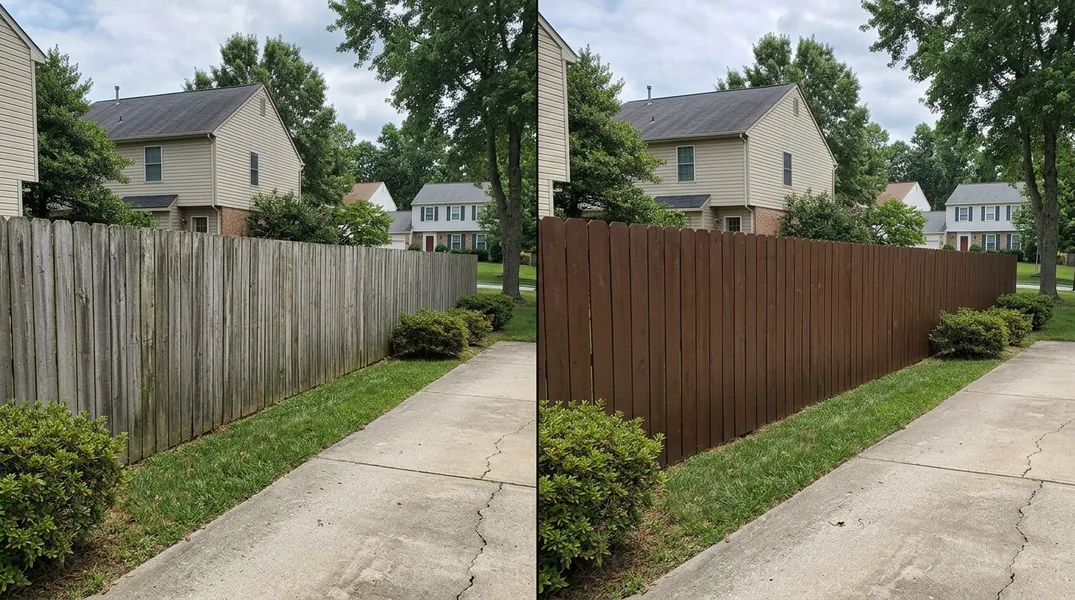
Wood fencing offers a classic, natural aesthetic that many Towson and Catonsville homeowners prefer for privacy and curb appeal. It provides excellent privacy screening, can be stained or painted in various colors, and blends seamlessly with landscaping. However, wood requires regular maintenance, including annual staining or sealing to prevent rot, warping, and insect damage. In Baltimore's humid climate with significant seasonal temperature changes, wood fencing demands consistent care to maintain its appearance and structural integrity. Many HOAs appreciate the traditional look of wood but require homeowners to maintain it in good condition, which means inspections and potential fines if upkeep is neglected.
Vinyl fencing, by contrast, offers a best low maintenance fence solution that appeals to busy homeowners and HOAs focused on community aesthetics. Vinyl requires minimal maintenance beyond occasional cleaning with a garden hose and mild soap. It resists rot, insects, and weathering, making it an excellent choice for Baltimore's variable climate. Vinyl comes in various styles and colors, including wood-grain finishes that mimic the appearance of traditional wood without the maintenance burden. The trade-off is that vinyl typically costs more upfront, though the reduced maintenance expenses over time can offset this initial investment. Some HOAs restrict vinyl due to concerns about its plastic appearance or neighborhood character, so always verify your community's stance before proceeding.
Best Fence Material for Baltimore County Subdivisions: HOA Compliance
Selecting the best fence material for your Dundalk or Baltimore subdivision requires balancing personal preferences, budget constraints, and HOA requirements. Beyond vinyl and wood, some communities permit Aluminum & Ornamental Iron Fencing or Chain Link Fence Installation, each with its own set of compliance considerations.
Aluminum and ornamental iron fencing appeals to homeowners seeking an elegant, decorative option that offers security without complete privacy screening. These materials are durable, low-maintenance, and available in various colors and designs. However, many HOAs restrict ornamental fencing to front yards or specific architectural styles, as they may not provide adequate privacy for backyard use. Chain link fencing is affordable and functional but is often discouraged or prohibited in residential subdivisions because it doesn't align with neighborhood aesthetic standards. Before falling in love with any material, consult your HOA's architectural guidelines or contact your HOA board directly. Most subdivisions have a formal approval process that requires submitting plans or photos of your proposed fence before installation.
The best approach is to schedule a free estimate with Baltimore Fence Company, where our team can review your HOA requirements and recommend materials that meet both your needs and your community's standards. We've worked with dozens of Baltimore County subdivisions and understand the nuances of different HOA regulations, which positions us to guide you toward a compliant, beautiful solution.
Vinyl vs Wood Fence Cost: Budgeting for Your Project
When evaluating vinyl vs wood fence cost, it's important to consider both the initial installation expense and the long-term financial commitment. The upfront pricing for vinyl fencing is typically 20 to 40 percent higher than wood, depending on quality, height, and design complexity. A vinyl privacy fence in Baltimore might range from $25 to $40 per linear foot installed, while wood fencing generally costs $15 to $30 per linear foot. For a 150-foot perimeter, this difference could amount to $1,500 to $1,500 in initial costs, which is significant for many homeowners.
However, the true cost comparison extends beyond installation. Wood fencing requires annual or biennial maintenance, including staining, sealing, or painting, which can cost $500 to $2,000 per year depending on fence length and condition. Over a 15 to 20-year period, these maintenance expenses can easily exceed $7,500 to $30,000. Vinyl, by contrast, requires minimal maintenance beyond occasional cleaning, potentially saving thousands of dollars over the fence's lifespan. Additionally, vinyl fencing typically lasts 20 to 30 years or more, while wood fencing often requires replacement or significant repairs after 15 to 20 years in Baltimore's climate. When you factor in replacement costs and maintenance labor, vinyl frequently becomes the more economical choice over the long term, even if it costs more initially.
Your HOA may also influence your budget if specific materials are required or prohibited. Some subdivisions mandate wood for aesthetic consistency, which removes the choice but sets clear cost expectations. Others allow vinyl, which can provide budget flexibility and long-term savings. To get accurate pricing tailored to your property and HOA requirements, call Baltimore Fence Company at (667) 213-5362 or request a free estimate online. Our team will assess your property, review your HOA guidelines, and provide transparent, detailed pricing so you can budget confidently.
Common HOA Fence Rules Across Baltimore County Subdivisions
While every HOA is unique, certain fence restrictions appear consistently across Baltimore County subdivisions. Most communities enforce height limits, typically ranging from 4 to 6 feet for backyard privacy fencing and 3 to 4 feet for front-yard fencing. These limits are designed to maintain sight lines for safety, prevent excessive shading of neighboring properties, and preserve the community's visual character. Additionally, many HOAs require fences to be set back a specific distance from property lines, often 6 inches to 2 feet, to ensure proper maintenance access and prevent encroachment disputes.
Color restrictions are another frequent requirement, particularly in subdivisions with established aesthetic guidelines. Wood fences are often limited to natural stain or earth tones like tan, brown, or gray, while vinyl may be restricted to similar neutral colors. Bright colors, bold patterns, or unconventional finishes are typically prohibited. Some HOAs also mandate regular maintenance inspections, requiring that fences remain in good repair and properly finished at all times. Failure to comply can result in violation notices, fines, or mandatory removal of the fence. Before installation, obtain a copy of your HOA's architectural guidelines, design standards, or CC&Rs, and submit your proposed fence design for written approval. This documentation protects you and ensures a smooth approval process.
Working with Your HOA and Baltimore Fence Company for Approval
Navigating HOA approval for your fence project doesn't have to be complicated. Start by gathering your HOA's architectural review guidelines and any recent fence approvals for similar properties. Contact your HOA board or architectural committee to clarify specific requirements, height limits, material restrictions, and the approval timeline. Many HOAs require submission of detailed plans, product specifications, or photographs, so having these materials ready accelerates the process. Baltimore Fence Company can assist by providing professional renderings, material samples, and documentation that satisfies most HOA requirements.
Once you've confirmed HOA approval is likely, our team can begin the installation process with confidence. We've completed numerous projects across Baltimore County subdivisions and understand the importance of compliance and quality craftsmanship. Whether you're leaning toward the classic appeal of wood or the low-maintenance benefits of vinyl, we'll ensure your fence meets HOA standards while exceeding your expectations. Contact Baltimore Fence Company at (667) 213-5362 to discuss your project, or visit our website to request a free estimate. Let us help you navigate HOA requirements and install a beautiful, compliant fence that enhances your property for years to come.
Looking for a professional fence contractor in Baltimore? Baltimore Fence Company responds fast for all your fence needs.
Get a Free Quote